ADMINEXISTS
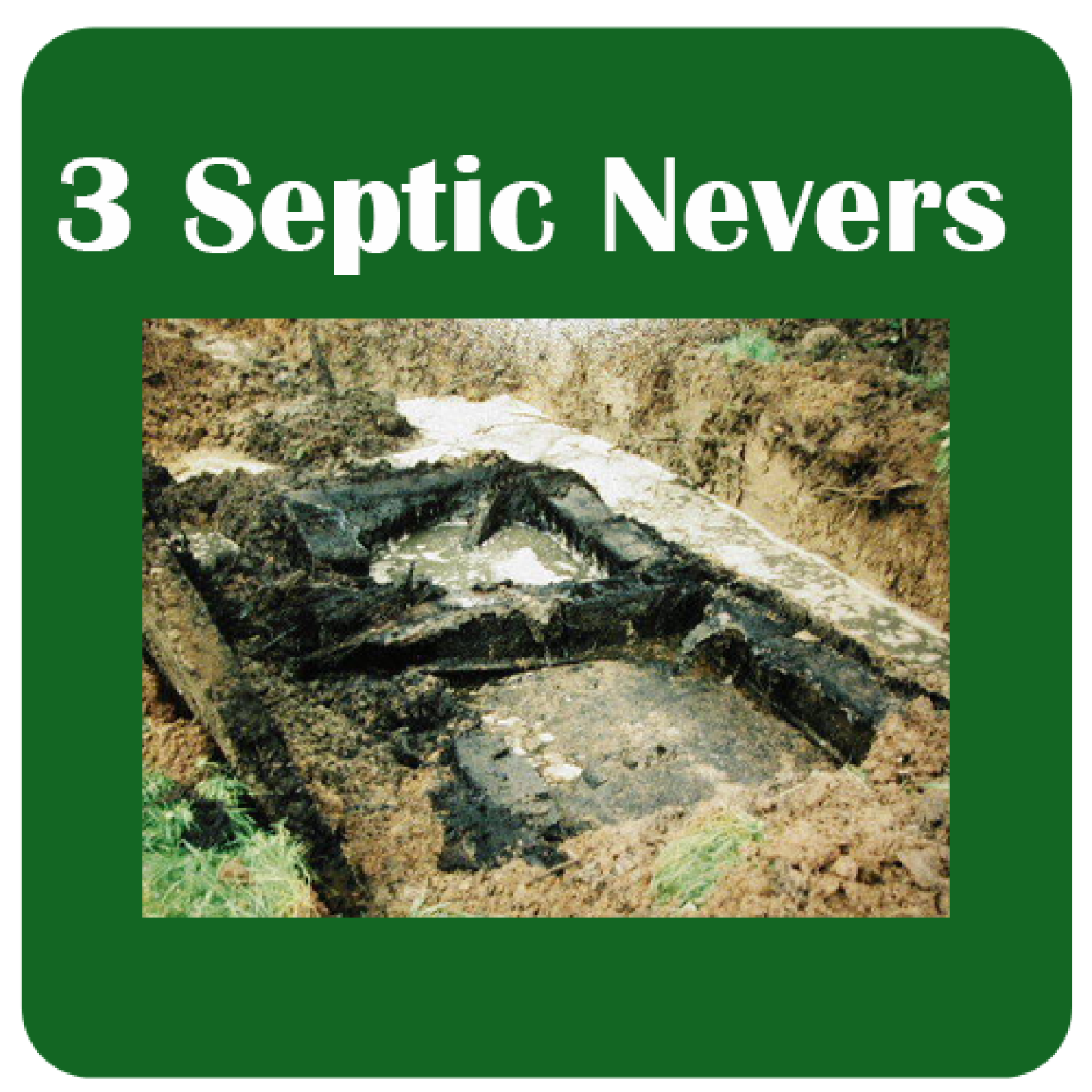
The only items that go down your pipes and into your septic tank and drain field are what dissolves. Grease and oil, either as a result of cooking or frying when warm can slide right down your drain. The problem occurs when the grease and oil cool and become a congealed mass. This does not dissolve and remains as a mass in your septic. Over time, the mass becomes very thick which will cause the scrum layer to push down into the liquid level and possibly reaching the exit pipes of the septic system.
Three culprits in clogging your septic systems:
Your septic's main job is to dispose of the affluence in the home. For such an unseen machine, its job is to break down waste and render it harmless. Pouring grease down a drain, will over time, ends up clogging your drain and nothing will get through. Too much grease and oil bogging down your septic functionality can make it back up, in turn, causing serious as well as expensive damage to it.
Disposing of grease and oil, including olive oil, properly is a great habit to get into. After cooking or frying pour all grease in a can, let it cool, and throw it away. Wipe pans out with a paper towel and toss them in the trash.
Once or twice, allowing grease or oil down the drain is not the problem. The issue becomes when the septic system cannot do its job at dissolving matter. The septic systems distribution lines and drainage field can also be affected. Grease that you pour down the drain ends up floating on top of the water in the tank and interferes with the way water and the broken-down waste flow out into your septic leech field. Developing good habits to dispose of grease helps protect the septic.
A septic system pumping and disposal will help to remove grease and fat, this is a job for the professionals at Tri-County Septic. If grease and fat is not removed from your septic system, your septic pipes may have to be dug up and replaced.
Anything other than waste and toilet paper does not go in your toilet. Cat litter, even if the label says septic safe, is not safe and needs to go out in the regular trash. Cat litter clumps and does not dissolve. Also, by the nature of what cat litter is used for, there are microorganisms that can cause illness. Cat litter can cause serious damage to your septic system.
Hazardous waste, which includes paint and paint thinners is far too corrosive for your septic. Even washing off paintbrushes or rinsing out paint cans or cans of paint thinner need to be outside and away from your septic. These liquids will eat away at the tubing and filtration system in your septic.
Avoiding items that harm your septic system will go a long way to allowing the septic to do its job of breaking down waste and keeping not only your family but the neighborhood groundwater and wells safe.
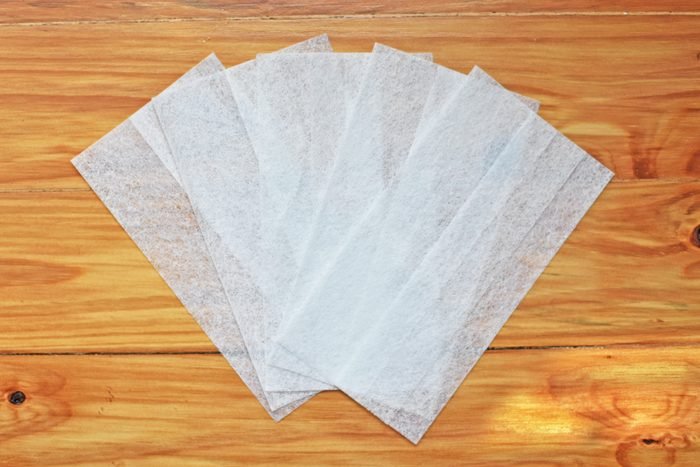
It doesn’t sound like a big deal, sometimes tossing a dryer sheet into the toilet is just easier. Or using fabric softener in the washing cycle. And yet, it is. Fabric softeners, like many other household cleaners and chemicals, can have nasty effects on your septic system. It is a two-fold issue.
Fabric softeners or dryer sheets are also petroleum-based, as in oil-based. Using a fabric softener into the washing machine is just like pouring and grease down the drain. Fabric softeners add to the layer of scum floating on the surface of your tank’s effluent. When the scum layer becomes too thick, it will be able to flow into your drain field, potentially causing damaging clogs or possibly a system failure. Fabric softeners also contain emulsifiers which is to prevent the oils and chemicals from separating in the bottle. The issue becomes, when these emulsifiers find their way into your septic tank, they interfere with the tank’s natural settling process, preventing the solids from settling to the bottom and the oils and grease from rising to the top. This means solids will be suspended in the effluent that flows out into the drain field, which isn’t designed to handle solids. Clogs can occur.
Softeners are great for keeping your clothes soft, it can wreak havoc on the good bacteria that does all the work inside your septic tank. If you have used fabric softener with your septic system, keep an eye out for signs of septic system failure.
Signs of septic problems:
· Lush, green grass above or around your system.
· Foul odors in and outside your home.
· Gurgling drains.
If any of these signs occur, call the professionals at Tri-County Septic.
There are ways to have your clothes lint and static-free without the harmful chemicals of fabric sheets and fabric softeners. Alternatives include:
· Add a half cup of white vinegar to the final rinse cycle.
· Make your own dryer balls using foil.
· Purchase wool or silicon dryer balls.
· There are reusable dryer sheets.
· Baking soda, a half-cup mixed with water, added to the final cycle.
If there is a particular scent or essential oil you enjoy, these can be added to the vinegar, baking soda, or to the dryer balls, usually about ten drops.
Protecting your septic system needs to be a priority for its health and productivity. Tri-County Septic can answer all your questions about keeping your septic system and drain field healthy for years to come.

The septic system for your home is a complex mechanism of pipes and bacteria that is designed to handle water, human waste, and toilet paper. Using it for anything else is harmful to the system and in the long run, expensive.
The following is a list of what needs to be thrown out in the trash or taken to the compost:
Having a licensed septic professional like Tri-County Septic, look over your septic system on a regular basis can save you time, money, and worry. Much can go wrong with your septic system, from corrosion in the tank itself, to an unprotected or malfunctioning float switch.
Newer septic systems have an alarm, some older ones do not, making it harder to know when the septic system is in trouble. However, if your system does have an alarm and your float switch is malfunctioning or doesn’t have the correct sealant to protect the wires, having an alarm does you no good. That green light just keeps blinking away.
The reverse of that is the alarm keeps tripping as if the septic system has a malfunctioning float switch. The job of the float switch is to detect when the water level in your septic system's pump tank is either too high or too low as either condition can cause damage to the system and this needs to be prevented. That is when the septic alarms are meant to go off.
A trickling noise, on the other hand, warrants an inspection from an experienced septic provider like Tri-County Septic to inspect the septic system.
What you don’t want to happen is the drain field becoming overdosed during periods of increased use. When a drain field is overdosed, meaning too much water entering it too quickly, it can be damaged, and the alarm prevents this from happening.
Causes for this to occur:
An alarm signal does not mean sewage is about to back up into the house. Alarms are installed to give you 24-48 hours of usage until sewage may start to back up. Of course, there are plenty of DIY videos for swapping out a float switch or coating wires and connectors, however, remember the whole of your septic system is filtering out contaminants, the fumes of which are often deadly. Call the experts at Tri-County Septic for the well-being of your family and the continuing health of your septic system.


If you wait far too long to pump out your septic tank several obvious and often smelly consequences will occur. Septic systems sadly don’t come with bells and whistles, except for the green/red light in your basement. However, having regular maintenance done for your tank as well regular inspections to check on the health of your system; not only means less possibility of stench in your home but also more money remaining in your pocket. The professionals at Tri-County Septic are available to help you help your septic system stay healthy!
If your drains begin to gurgle, which will be obvious when the toilet flushes or you turn on a faucet, call for a septic pump. This is one of the minor signs that your septic may be backing up. It could also be completely unrelated, such as having a birds nest in the plumbing vent to your roof. It's important to have this situation assessed so the proper professional can be called.
Signs your septic system needs help now:
Remember, a septic pump which should be done every three to five years costs a few hundred dollars to keep your tank healthy; replacing your septic tank and drain field costs 10s of thousands in New Jersey.
We've seen a lot of horror stories, and we don't want to see our customers get stuck with a failed real estate transaction or drained savings account. Regular pumping can save you a lot of pain and heartache.
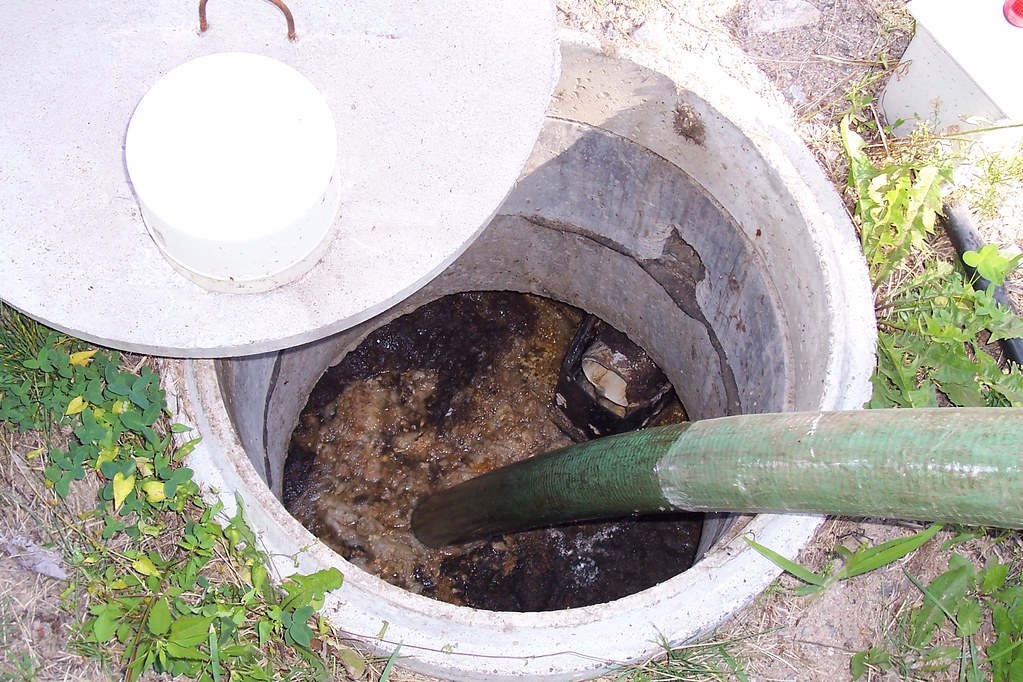

Septic systems cost on average between $25, 000 to $45,000. They have a life span even with regular pumping of about 30 years. To make sure your system runs as efficiently and long as possible let’s discuss what NOT to put down your drains and into your septic system.
Cat litter.
Yes the box SAYS septic system safe. And if it was only a couple of times, maybe that’s correct. However, cats use the litter box daily and it is a lot of substance for a septic to handle day after day.
Dog waste.
Think of what your dog eats. Rawhide chews don’t dissolve in your dog and they won’t in you septic either.
Coffee grounds.
The hard texture does not break down easily.
Food scraps.
It’s tempting to dispose of your leftovers by stuffing them down your kitchen drain, but by throwing meat scraps in the trash and using a compost heap for coffee grounds, eggshells and other food waste will extend the life of your septic!
Garbage disposals aren’t a great idea for homes with septic systems, it is just too tempting. You want to put things in your septic which will dissolve over time. The composted fertilizer of your scraps will be a benefit to your garden and lawn.
Grease.
After making some tasty bacon, don’t pour the remaining grease down your drain. Over time the pipes will become coated with it, making it harder for water to flow freely. Grease doesn’t break down the same way that human waste does. And if enough oil and grease is coating your pipes and hoses, there is the concern of a sewage backup. Septic systems cost enough without additional repairs that can be avoided.
Instead of pouring grease or oil down the drain, pour it into a glass jar or empty tin can.Remember to let the grease or oil cool off first. When filled they can be tossed out in the garbage. Also wipe out pans with a paper towel prior to washing in the sink or dishwasher.
Taking care of what goes down your drains and by extension into your septic system will give you piece of mind in the years ahead as toilets flush and water runs.

Sometimes you have something in your hand and think, ‘this will be okay’ and if it’s someone toothbrush and there’s grout to clean and you’re annoyed at them, well maybe. However if it is something you know shouldn’t go down to your septic, then no. Just no. Back away from the drain and toss it in the trash.
Easiest way to think of what works for a septic tank digestion is bio-degradable. And even then not ALL things bio-degradable get to go down your drain.
Animal feces - Cat and dog waste need to be put in the trash.
-Indoor cats use litter boxes and even if it says right one the box septic friendly. It isn’t. The material used in litter boxes can clog your pipes and cause blockages in the septic systems itself.
-Whatever dogs eat, and they eat some interesting things, goes in one end and comes out the other. It is more ecologically friendly to dispose of feces in the trash.
Medicine – Please dispose of properly.
-Most towns have several places to drop off unneeded medicine
-If put down drains it can affect groundwater as well nearby streams or lakes.
Hazardous chemicals - Your septic system needs good bacteria to break down waste.
-Heavy chemicals like bleach, motor oil, paint and poisonous chemicals are big DON’Ts for your septic tank.
-This will contaminate your soil.
-Dispose of these chemicals and items like them properly and use environmentally safe cleaning products for your sinks and bathrooms.
-Fabric softeners, although they make clothes feel soft, comes at a price as they are coated in chemicals. And the last place they need to be is in a septic system.
A few other items that need to thrown in the trash and not down your drains are sanitary napkins or tampons; cigarette butts, earplugs, cotton balls and paper towels or dental floss.
All these items can seriously interfere with a productive, healthy septic system. At all costs you want to avoid anything that will cause clogs or blockages in the pipes or upset the balance of the good bacteria that breaks down waste. Protecting your septic system not only helps groundwater and nearby water to stay healthy but also allows for your septic system to continue providing for your home and family.
Having a licensed septic professional look over your septic system on a regular basis can save you time, money and worry. Much can go wrong with your septic tank, from issues with the tank itself or the contents within the tank. Proper Maintenance allows your tank to last a good long time.


Having Tri-county Septic professional team on your side will help with deciding which tank is right for your family size as well as what works on your property. Additionally they can help with the regulations regarding your town’s ordinances as to which septic tanks are acceptable.
After having your tank installed, there are a few things for you to avoid to make sure your tank last as long as it can.
By working with a professional septic company and taking reasonable precautions your septic tank, whichever one is chosen, will last for many years to come.
If you like saving money and don’t like stinky surprises, then getting your septic system on a regular plan of maintenance is the way to go. Most people are only concerned with getting their septic tank pumped, not realizing that the system has other parts which are important as well. Yes, of course getting your septic tank pumped needs to be done on a three to five year basis. Having Tri-county Septic come out to do it, enables them to also check on the condition of your tank and its components. Septic tanks like many things in life do not last forever, having a professional do an assessment for dings or cracks is a cost saving measure.

Most septic systems have alarms, many people see the green light flickering and assume everything is okay. The problem arises when the alarm is no longer attached to anything. Often over time the coated wires become corroded, leaving an alarm’s green light blinking merrily along. Generally, the alarm is connected to the float switch. When the float rises it is supposed to set off the alarm which is a red light along with beeping, it is a warning that the liquid inside the tank is rising. This can only happen if the alarm is functional.
Several long showers as well as an increased amount of laundry can cause too much water usage. Sometimes the solution is an easy one. Use as little water as possible for a day or so and do a couple of pump cycles to see if the float regulates.
Heavy rain may cause seepage. When too much standing water occurs around the septic tanks, the water can seep into the tanks causing the water level to rise inside of the tanks.
The pump, floats, alarm, timer, etc. may have something wrong that is notallowing them to work properly.
As you can see having a properly working alarm system allows for you to have advanced warning on a possible failing of your septic system or its components. Letting the professionals at Tri-County Septic maintain your septic system is a win for you.
© Copyright 2019 TriCounty Septic Inspection & Repair
Website Designed & Managed by Lattice Marketing
Tri-County Septic Inspection & Repair is Licensed, Bonded and Insured.
Recent Comments